
Brighton - Where the Sea Meets the Circus and Nobody Really Cares What Day It Is
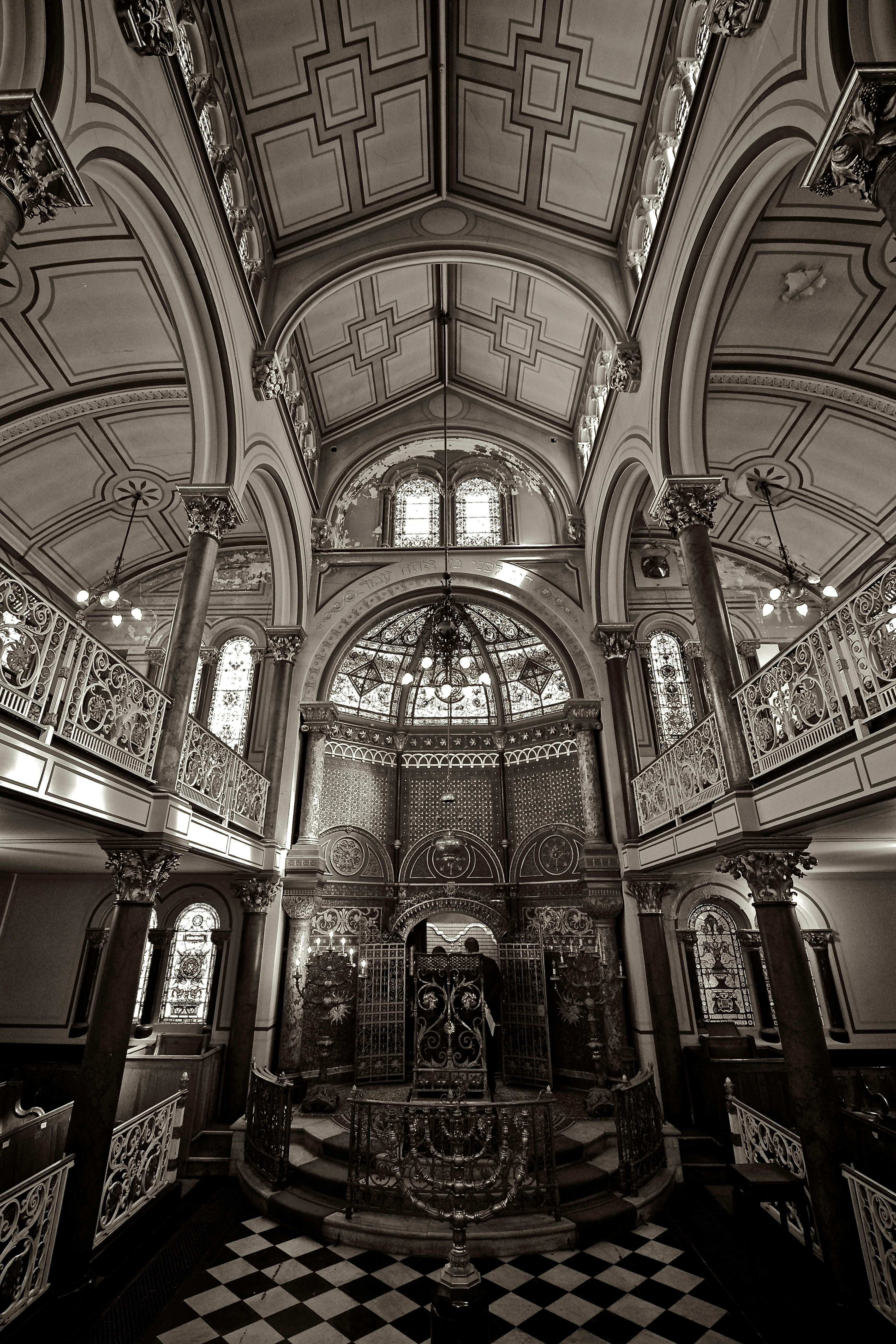
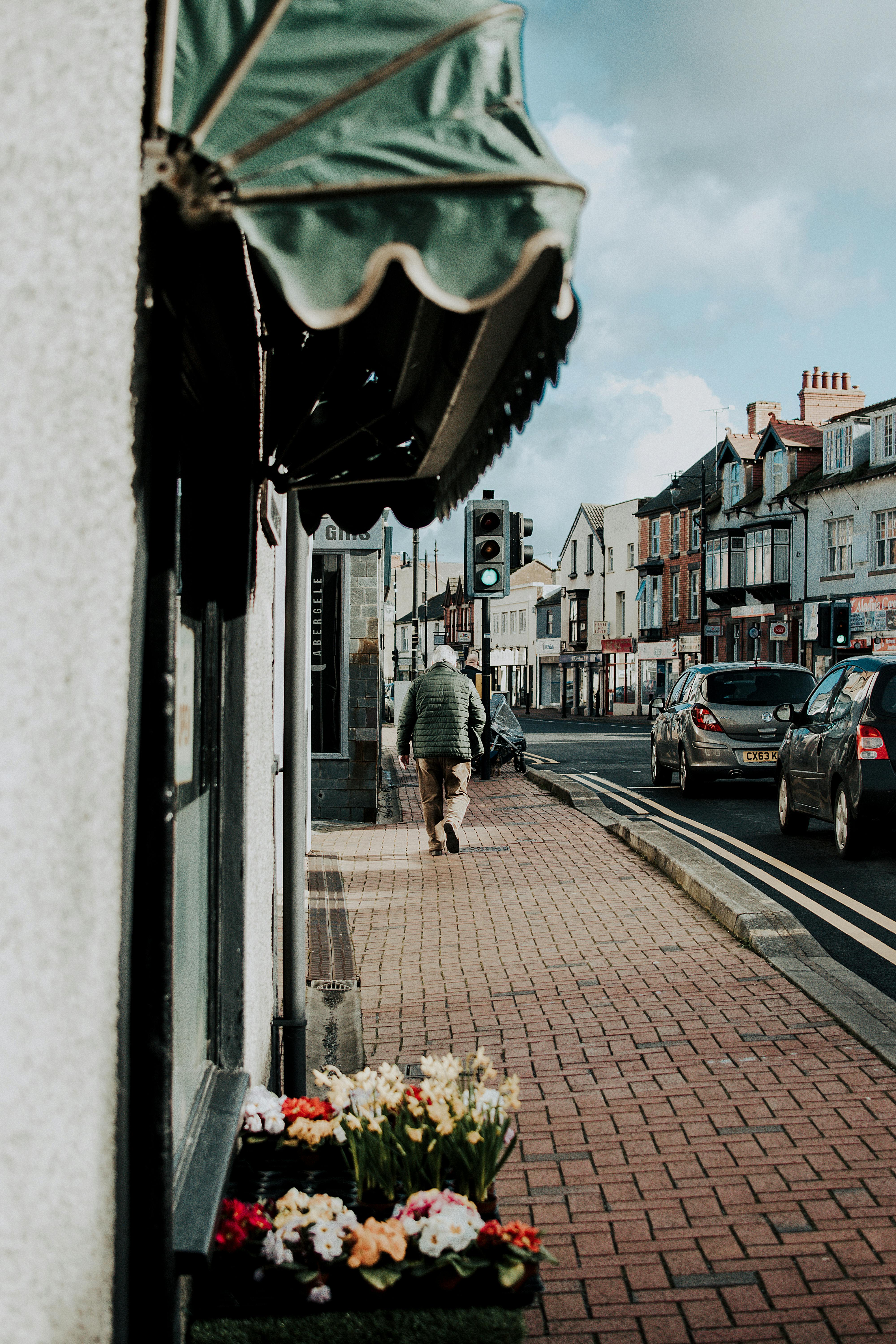
Brighton doesn’t try to be pretty. It just is. A city that decided long ago it would rather be loud, colourful, slightly chaotic and completely itself than polished or predictable. You step off the train and immediately smell salt air mixed with fried doughnuts, weed smoke, and the faint perfume of incense from the Lanes. The pebble beach stretches out like it’s daring you to walk on it barefoot (you will, and you’ll regret it, then do it again anyway).This isn’t a postcard destination. It’s the place people come when they’re tired of pretending. Students, artists, retirees, families, couples arguing over fish and chips, lone wanderers with headphones—everyone fits, nobody fits, and somehow it all works.The Pier That Refuses to Grow UpBrighton Palace Pier is the city’s living room. Built in 1899, it still looks like a Victorian funfair that never quite grew old. Slot machines blink, doughnut kiosks hiss, teenagers scream on the turbo coaster, and old men in flat caps lean on the railings watching the sea like it owes them money.Walk to the end at sunset and the whole structure turns gold. The lights come on, the rides glow, and suddenly it feels like the pier is throwing its own party and you’re invited whether you bought a ticket or not. Entry is free; rides are £3–£8 each. Most people just walk, eat chips out of paper, and pretend they’re in a movie.The Lanes and North Laine: Two Different Moods, Same SpiritThe Lanes are narrow, cobbled alleys full of jewellery shops, vintage clothes, tiny bars, and cafés that smell like fresh bread. It’s easy to get lost and easier to not mind. North Laine is louder, messier, more colourful—record shops, street art, vegan cafés, independent bookstores, and pubs with names like “The North Laine”. Both areas feel like Brighton’s personality split in two: one half elegant and secretive, the other half proudly weird.Saturday mornings in North Laine are market day—stalls selling crystals, second-hand vinyl, handmade earrings, and coffee in mismatched mugs. You can spend three hours wandering and still feel you’ve only seen half of it.
The Beach, the Pebbles, and the People Who Love ThemThe beach is pebbles, not sand. Everyone complains about it the first time, then buys cheap flip-flops and never mentions it again. People swim year-round (the water is cold enough to make you gasp), build bonfires at night (legally in designated spots), play volleyball in January, and walk dogs that look happier than their owners.On sunny weekends the pebbles disappear under towels, picnics, and portable speakers. On grey weekdays it’s just dog walkers, joggers, and the occasional person sitting alone staring at France (you can see it on very clear days).The Royal Pavilion: When Brighton Decided to Be ExtraThe Royal Pavilion is ridiculous in the best way. George IV built it in the early 1800s as an Indian-inspired seaside palace—onions domes, minarets, chinoiserie interiors, dragons everywhere. It looks like someone took a Bollywood set and dropped it on the south coast. Inside is even more over-the-top: crystal chandeliers, hand-painted wallpaper, a banqueting room that looks like it was designed by someone who had never heard the word “subtle”.Entry £17–19 (2026 prices). Worth it for the sheer “what were they thinking?” energy alone.Food That Tastes Like Brighton ItselfFish and chips from a proper chippy (Regency or Bardsley’s are local legends). Burnt ends from The Longhouse. Vegan junk food from Food for Friends. Chilli crab from Riddle & Finns. Coffee from small roasters in North Laine. And always, always, a 99 ice cream with a flake from the pier kiosk.
How Much It Actually Costs (and the Little Extras People Forget)Brighton is still cheaper than London, but weekends and summer push prices up.- Accommodation: hostel dorm £25–45/night, budget hotel £80–140 double, nice Airbnb £120–220.
- Food: fish & chips £9–14, coffee £3.50–5, pub meal £12–20, fancy dinner £30–60/head.
- Attractions: Royal Pavilion £17–19, Brighton Museum free, Sea Life £25–30.
- Parking: £2–4/hour in centre (ouch), or park & ride £8–12/day.
- Transport: train from London £15–40 return, local bus £2–5 single.
- Hidden extras: pier rides £3–8 each, beach deckchair hire £5–10, “voluntary” beach donations £1–2, and the £2–3 “visitor contribution” some cafés quietly ask for.
Rough daily spend per person (mid-range, not backpacking): £80–140
Couple on a weekend (nice hotel, eating out, one attraction): £300–500 total.Small Things That Change Everything- Walk the pier at sunrise or after 8 pm—fewer people, better light.
- Bring cash for small stalls and honesty boxes at some beaches.
- Wear layers and waterproofs—weather flips in 20 minutes.
- Check tide times for hidden coves like Cuckmere Haven or Birling Gap.
- Talk to locals. They’ll tell you which chippy is best that week or which headland has the quietest view.
Brighton doesn’t ask you to love it. It just keeps being itself—loud one minute, quiet the next, tacky and elegant in the same breath. You come for a day, stay for three, and leave wondering why everywhere else suddenly feels a little too neat.
- Accommodation: hostel dorm £25–45/night, budget hotel £80–140 double, nice Airbnb £120–220.
- Food: fish & chips £9–14, coffee £3.50–5, pub meal £12–20, fancy dinner £30–60/head.
- Attractions: Royal Pavilion £17–19, Brighton Museum free, Sea Life £25–30.
- Parking: £2–4/hour in centre (ouch), or park & ride £8–12/day.
- Transport: train from London £15–40 return, local bus £2–5 single.
- Hidden extras: pier rides £3–8 each, beach deckchair hire £5–10, “voluntary” beach donations £1–2, and the £2–3 “visitor contribution” some cafés quietly ask for.
Couple on a weekend (nice hotel, eating out, one attraction): £300–500 total.Small Things That Change Everything
- Walk the pier at sunrise or after 8 pm—fewer people, better light.
- Bring cash for small stalls and honesty boxes at some beaches.
- Wear layers and waterproofs—weather flips in 20 minutes.
- Check tide times for hidden coves like Cuckmere Haven or Birling Gap.
- Talk to locals. They’ll tell you which chippy is best that week or which headland has the quietest view.
