
Cornwall: Where the Sea Crashes, the Cliffs Stand Guard, and Time Feels Optional

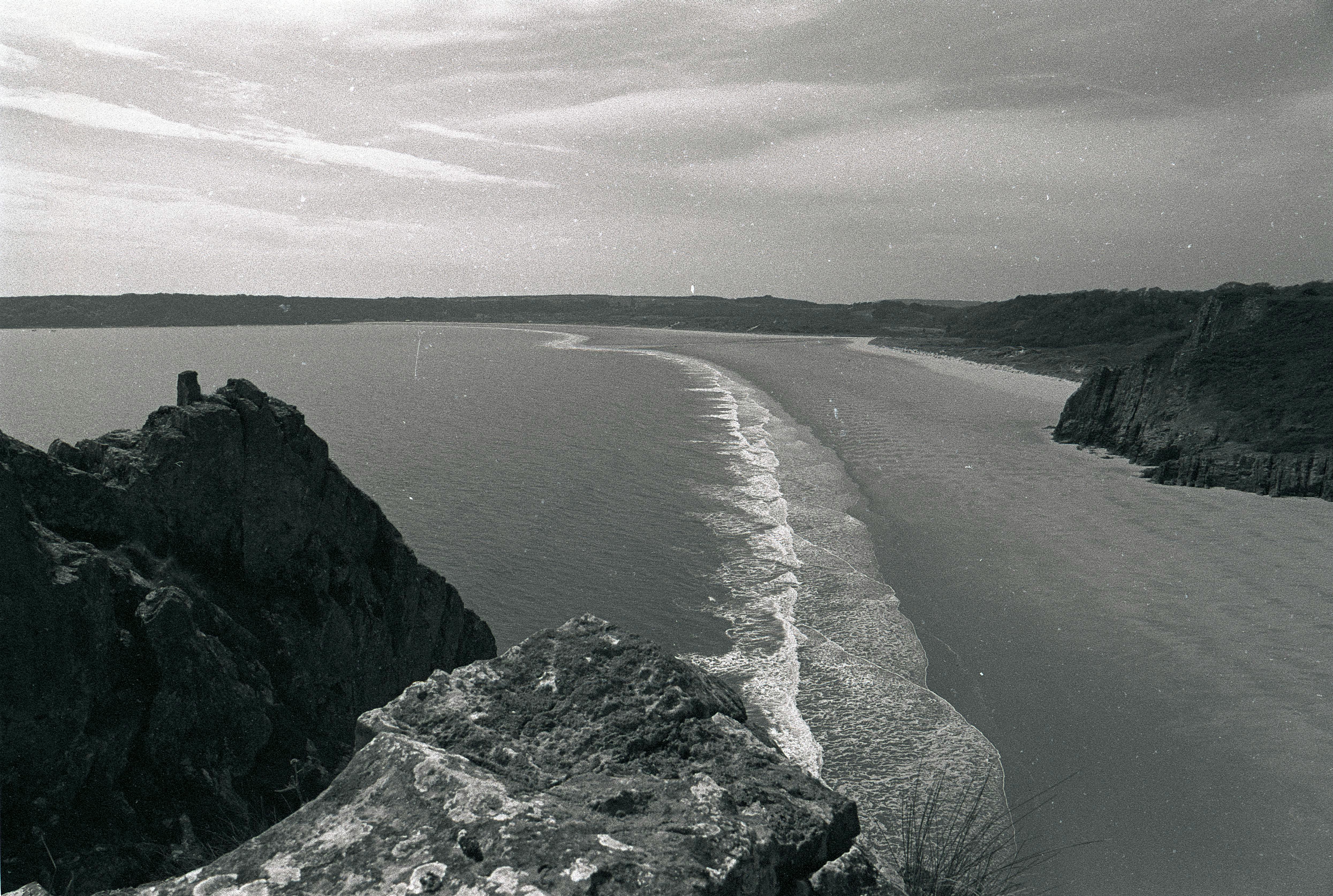
There’s a corner of England that doesn’t shout. It just waits. Cornwall sits at the very toe of the country, half island, half peninsula, wrapped in Atlantic salt and Celtic stubbornness. People come for the beaches, stay for the light, and leave wondering why everything back home suddenly feels too loud and too fast. The coastline is brutal and beautiful at the same time—black rocks, green fields dropping straight into turquoise water, tiny coves you can only reach at low tide, and waves that never seem to get tired of trying to rewrite the shore.I’ve pulled this together from conversations with people who’ve just come back (early 2026), their unfiltered photos, and the quiet things locals mention when they think you’re really listening. This isn’t a checklist of “top 10 things to do.” It’s more about why Cornwall keeps pulling people back, even when they swear they were only going once.The Coastline That Refuses to Be TamedCornwall has roughly 650 km of coastline—more than any other county in England—and most of it is designated Area of Outstanding Natural Beauty. That isn’t marketing fluff. Walk any stretch of the South West Coast Path (yes, it goes all the way around) and you’ll understand. One minute you’re on soft golden sand at Porthcurno or Kynance Cove; the next you’re scrambling over slate ledges at Cape Cornwall or staring down 60-metre drops at Bedruthan Steps. The colours change constantly: jade-green water in sheltered coves, deep indigo where the Atlantic rolls in, white foam that looks like it’s been whipped by an invisible hand.The north coast is wilder—Bude, Tintagel, Boscastle—rugged, exposed, full of shipwreck stories and Arthurian myths that locals half-believe. The south is softer—St Ives, Mousehole, Looe—fishing villages with pastel houses stacked against the hill, lobster pots piled on quays, and the kind of light that made artists move here in the first place.Light That Changes EverythingPainters have known about Cornwall’s light for more than a century. The way it bounces off sea and stone is different here—sharper, clearer, almost liquid. St Ives became an artists’ colony because of it; Barbara Hepworth and Ben Nicholson settled here, and their studios are still open to visit. Even if you’re not into galleries, walk around St Ives at golden hour and you’ll see why. Shadows stretch long, whitewashed walls glow, and the sea looks like it’s been lit from underneath.Early mornings on the Lizard Peninsula or Land’s End feel the same. The sun comes up behind you, catches the cliffs first, then spills across the water. Everything looks freshly washed. No filter needed.
Villages That Still Live Like VillagesMousehole is tiny and feels like it always has been—narrow streets, granite cottages, a working harbour where boats still go out for crab and lobster. St Ives has more galleries and tourists but keeps its working-fishing-port soul; you can buy fish straight off the boat in the early afternoon. Polperro is almost too pretty—white houses tumbling down to a tiny harbour—but the boats are real and the smell of salt and diesel is realer.Then there’s Charlestown, the one with tall sailing ships docked permanently because it’s been used as a film set for Poldark and Taboo. It looks like a movie set because it basically is, but the tall ships are authentic and the harbour still feels alive.Food That Tastes Like the Place ItselfCornwall has its own culinary personality. The Cornish pasty is protected by EU geography status (yes, really)—shortcrust pastry crimped on one side, filled with beef, potato, swede, onion, and nothing else if you want the “official” version. Locals will tell you the best ones come from small bakeries, not chains.Fish and chips here taste different because the fish is landed that morning. Lobster, crab, and scallops are everywhere in summer. Then there’s the cream tea debate: Cornish style is jam first, then clotted cream (so the cream doesn’t melt into the warm scone). Devon does it the other way. Don’t bring it up unless you want a 20-minute discussion.
How Much It Actually Costs (and the Bits People Forget) – Early 2026Cornwall is no longer the cheap secret it once was, but it’s still cheaper than London or the Cotswolds.- Accommodation: B&B or small hotel £90–160/night (double room). Self-catering cottage or Airbnb for 4 people £120–250/night.
- Food: pasty + drink £5–8, pub lunch £12–18, proper dinner with wine £30–50/person.
- Parking: beach car parks £6–12/day (some places £3 after 3 pm).
- Attractions: Eden Project £38 adult / £34 child; Levant Mine & Beam Engine £12; Tintagel Castle £18 (English Heritage).
- Transport: fuel from Exeter or Bristol £30–50 round trip. Bus from St Austell to Eden Project £5–8 return.
- Hidden extras: pasty surcharge at tourist spots (+£1–2), cream tea £6–10, parking fines if you overstay (£30–70), and the £2–3 “visitor levy” some parishes quietly ask for at beaches (honesty box or card machine).
Rough daily spend per person (mid-range, not backpacking): £80–140
Family of 4 (2 adults + 2 kids, self-catering): £250–450/day including food, fuel, and one paid attraction.Small Things That Make the Difference- Arrive early at popular beaches (Kynance, Pedn Vounder, Porthcurno) – parking fills by 10 am in summer.
- Bring cash for small car parks and honesty-box honesty boxes at some coves.
- Wear layers and waterproofs—weather changes fast.
- Check tide times for coves like Pentire Steps or Lusty Glaze—some disappear at high tide.
- Talk to locals. They’ll tell you which bakery does the best pasty that week or which headland has the best sunset.
Cornwall doesn’t try to impress you. It just is. The cliffs don’t care if you take a photo; the sea will keep crashing whether you’re watching or not. And maybe that’s why people keep coming back: because for a few days you get to live in a place that has existed long before you arrived and will exist long after you leave, and somehow it still made space for you.
- Accommodation: B&B or small hotel £90–160/night (double room). Self-catering cottage or Airbnb for 4 people £120–250/night.
- Food: pasty + drink £5–8, pub lunch £12–18, proper dinner with wine £30–50/person.
- Parking: beach car parks £6–12/day (some places £3 after 3 pm).
- Attractions: Eden Project £38 adult / £34 child; Levant Mine & Beam Engine £12; Tintagel Castle £18 (English Heritage).
- Transport: fuel from Exeter or Bristol £30–50 round trip. Bus from St Austell to Eden Project £5–8 return.
- Hidden extras: pasty surcharge at tourist spots (+£1–2), cream tea £6–10, parking fines if you overstay (£30–70), and the £2–3 “visitor levy” some parishes quietly ask for at beaches (honesty box or card machine).
Family of 4 (2 adults + 2 kids, self-catering): £250–450/day including food, fuel, and one paid attraction.Small Things That Make the Difference
- Arrive early at popular beaches (Kynance, Pedn Vounder, Porthcurno) – parking fills by 10 am in summer.
- Bring cash for small car parks and honesty-box honesty boxes at some coves.
- Wear layers and waterproofs—weather changes fast.
- Check tide times for coves like Pentire Steps or Lusty Glaze—some disappear at high tide.
- Talk to locals. They’ll tell you which bakery does the best pasty that week or which headland has the best sunset.
